
Welcome to our lab
Our mission
We are a research hub that studies algorithmic bias and the trustworthiness of genAI search systems to mitigate the spillover of unethical, unequitable, and irresponsible information across platforms.
In a world where inaccuracies threaten the integrity of information in areas like healthcare, finance, technology, and education, SPILL Lab calls attention to the way generative artificial intelligence (GenAI) systems create data landfills, exploit the vulnerabilities of data voids, and amplify unsubstantiated data sources.
SPILL's mission is to empower users with tools to detect and counter misinformation, provide educational resources to enhance global information security, and ensure that accurate, reliable content prevails across digital landscapes.

WE WANT THE WORLD TO UNDERSTAND THAT WHAT WE SEARCH MATTERS, HOW WE PROTECT SEARCH INTEGRITY MATTERS, AND THAT WE CAN SECURE A MORE INFORMED FUTURE.
The Story of SPILL
Our goal is simple:
To improve Search Literacy
For over a decade, Dr. Tripodi has dedicated her research agenda to issues of information access and integrity. Specifically, her research has examined how people navigate the vast online landscape of news and information to identify reliable sources. In doing so, she has documented the significant threat data voids play in our information environment and developed search literacy tools to help enable strong information seeking skills.
In 2024, The Search Prompt Integrity & Learning Lab (SPILL) was founded with the objective of providing tools and knowledge to tackle misinformation before unleashing its harmful consequences. What if we could identify misinformation when it is being created? To answer this question, SPILL combines technological and humanistic approaches with an interdisciplinary and international team of collaborators.
systematically identifying and addressing data voids

detect
Create a system for detecting data voids proactively by partnering with researchers

Develop
Develop a dashboard of results to provide journalists, educators, programmers, and Wikipedians with information on phrases tied to incomplete or inaccurate information

Design
Design educational interventions to help everyday citizens improve their search literacy
Meet the Team
-

Francesca Tripodi
FOUNDER
Dr. Francesca Tripodi is sociologist and information scholar. She is currently an Associate Professor at UNC-Chapel Hill and has twice testified before the U.S. Senate Judiciary Committee. In 2023, Dr. Tripodi received the Award for Impact and Excellence from the Center for an Informed Public at the University of Washington in recognition of her research on fostering an informed society and was featured on NBC Meet the Press Reports on the dangers of PragerU in higher education. Her research has been covered in the United States by NPR, The Washington Post, The New York Times, The New Yorker, Wired, Slate as well as other prestigious international publications (e.g., BBC, the Financial Times, Sábado, Libération).
-

Anna Beers
VISITING POSTDOCTORAL FELLOW AT THE UNIVERSITY OF TUEBINGEN
Anna Beers is a postdoctoral fellow at the University of Tuebingen. She uses quantitative and qualitative methods to analyze data voids and other phenomena on Wikipedia, and also coordinates several projects visualizing and analyzing political communities online. She graduated with her PhD in Human Centered Design and Engineering from the University of Washington, where she researched social media influencers and their implications for misinformation and hateful rhetoric.
-
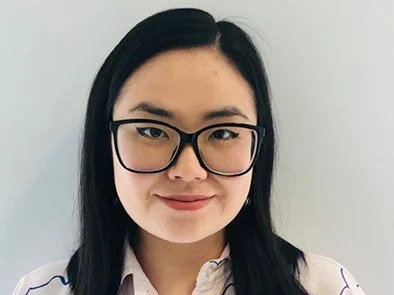
Viviane Ito
PhD STUDENT
Viviane Ito is a PhD student in Information Science at UNC-Chapel Hill. Her research interests are disinformation, misinformation, and gender bias within information and language. In the past, she developed research on women's experiences with chronic pain at the Pontificia Universidad Católica de Chile and on gender biases in Olympic athletes' discourses at the University of Sao Paulo, Brazil.
-
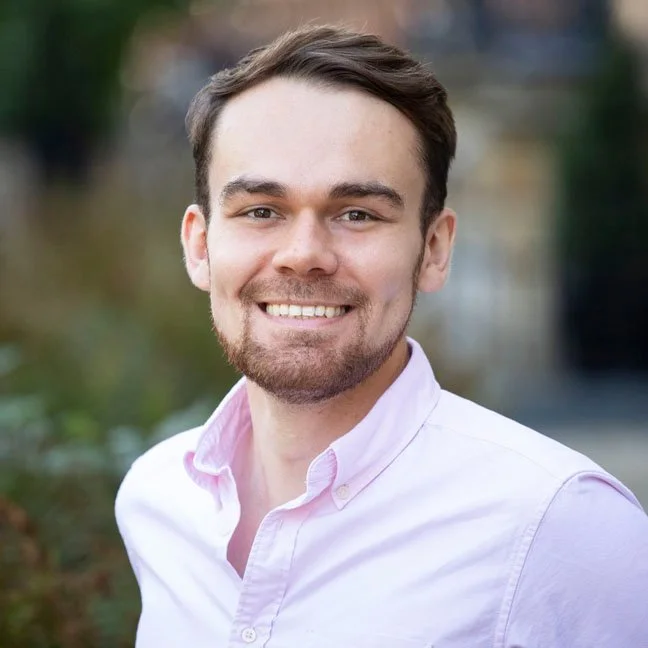
Patrick Gildersleeve
RESEARCHER COLLABORATOR
Patrick Gildersleve is a Lecturer (≈ tenure-track assistant professor) in Communications and Artificial Intelligence at the University of Exeter. Patrick completed his PhD at the Oxford Internet Institute in 2021 where he studied the recording and reaction to current events on Wikipedia and its relationship with news media. In his research he employs and develops techniques from network science, text analysis, time series analysis, and machine learning. Through his research, Patrick strives to understand the social, editorial, and algorithmic processes that shape collective attention and drive interest towards news and current events.
-
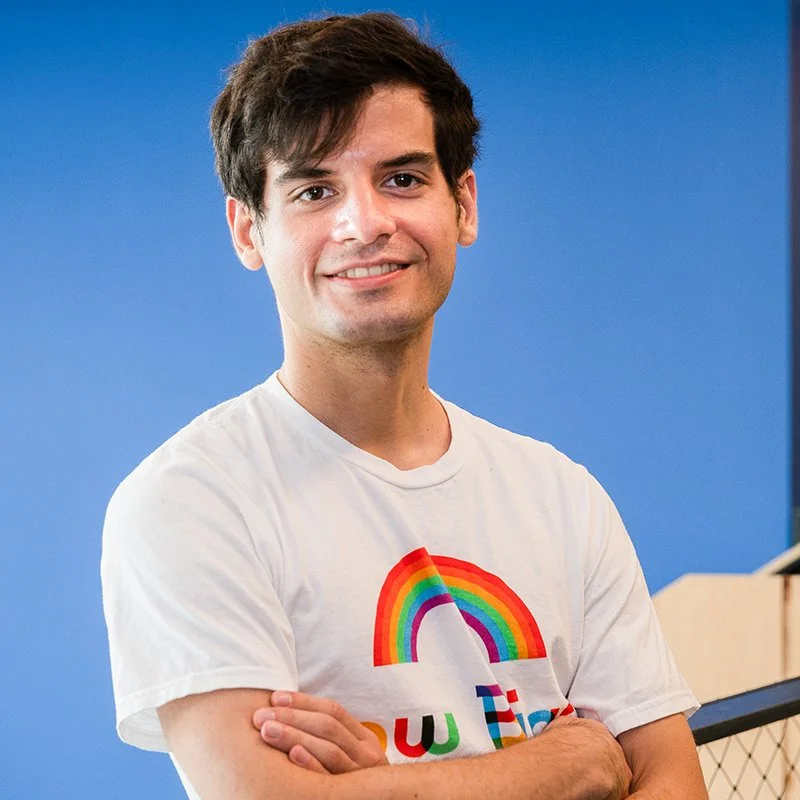
Evan Williams
RESEARCH COLLABORATOR
Evan M. Williams is a 5th year PhD candidate at Carnegie Mellon University. His work examines how large-scale retrieval and generative models shape what people see and believe online. He's currently interested in RAG failure modes in web search and in building LLMs robust to data pollution.
-
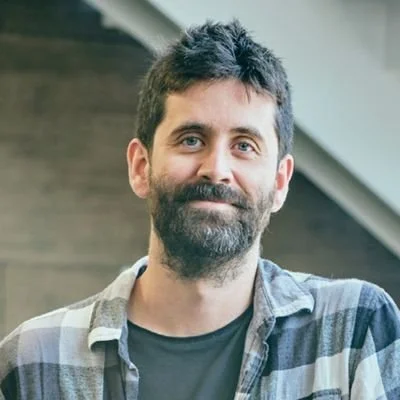
Pablo Aragón
ADVISOR
Pablo Aragón is a research scientist at the Wikimedia Foundation, where he focuses on knowledge integrity and resilience to disinformation in Wikipedia and its sister projects. He is interested in computational social science and social computing through interdisciplinary and participatory approaches to enhance collaboration and deliberation in online platforms.
-
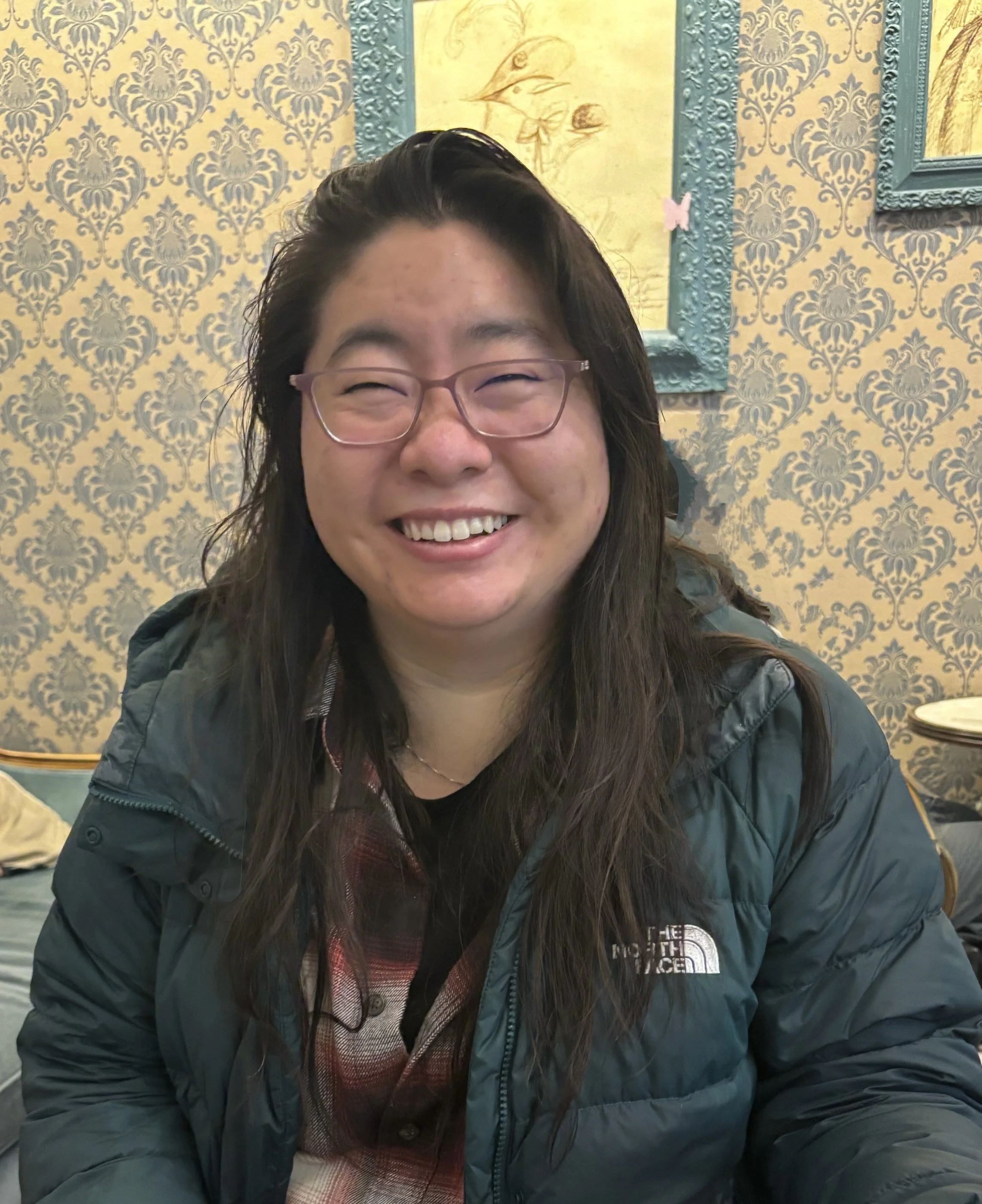
Ady Weng
PhD STUDENT
Ady Weng is a PhD student in Information Science at UNC-Chapel Hill. Combining her information science and government & politics backgrounds, her research interests lie in misinformation and disinformation; how the public finds information via search engines and social media; and how government institutions might exploit such mechanisms to communicate with different publics.
Collaborators
J. Nathan Matias
Sarah Gilbert
The Citizens and Technology (CAT) Lab at Cornell University work with communities to study the effects of technology on society and test ideas for changing digital spaces to better serve the public interest.
Dr. J. Nathan Matias is an Assistant Professor in the Cornell University Department of Communication, where he leads CAT Lab. He works with social media companies, news organizations, and online communities to test ideas for a flourishing internet and evaluate the social impact of online platforms.
Nathan developed CAT Lab as part of his PhD at the MIT Media Lab and MIT Center for Civic Media. Nathan, who is Guatemalan-American, has a background in tech startups and nonprofits. His research regularly appears in the news, and his writing has appeared in The Atlantic, PBS, the Guardian, and many others. [Image credit: Allison Usavage/Cornell CALS.]
As CAT Lab’s Research Director, Dr. Sarah Gilbert coordinates projects and facilitates relationships with communities.
Prior to joining the CAT Lab, Sarah was a postdoctoral scholar at the University of Maryland where she explored how to ethically conduct research using social media data. Sarah also uses collaborative and participatory methods to work with online communities. For example, she works with the Reddit community, r/AskHistorians to learn more about the work that supports successful community moderation (and is a moderator herself) and uses Values Sensitive Design to work with moderators to develop systems that support better working conditions. She holds a PhD in Library and Information Studies from the University of British Columbia.